On October 22, the press releases hit the wire with predictable, synchronized corporate enthusiasm. Delta Air Lines, Korean Air, and the Air France-KLM group had finalized their purchase of a minority share in Canadian carrier WestJet. The language was all about milestones, partnerships, and confidence.
But when you strip away the polished quotes and look at the bare architecture of the deal, the story isn't one of partnership. It’s a masterclass in private equity strategy, a carefully calibrated financial maneuver where the word "partnership" is simply the public-facing term for "well-compensated audition."
The transaction confirmed on October 22nd splits a 25% stake in WestJet among the three airline giants (Delta, Korean Air and Air France-KLM finalize WestJet minority share purchase - AeroTime). The majority shareholder, private equity firm The Onex Group, retains the other 75%. On the surface, it’s a vote of confidence. WestJet’s CEO, Alexis von Hoensbroech, called it a reflection of "confidence in WestJet’s strategy, performance, and people." Tawfiq Popatia, an Onex partner and WestJet board director, praised the new investors as "among the best-performing and most innovative airlines in the world."
This is all true, but it's an incomplete truth. The real story isn't about who bought in, but about who is still holding the majority of the cards: Onex. And they’ve just de-risked their investment while simultaneously setting up a future bidding war.
Deconstructing the Deal's True Architecture
Let's look at the numbers. The initial announcement in May 2025 laid out the approximate costs: around $330 million from Delta for a 15% stake and $220 million from Korean Air for 10%. That’s a cool $550 million cash injection for an airline that, like all others, operates on notoriously thin margins. Onex, which took WestJet private in 2019, has now recouped a substantial portion of its capital outlay without relinquishing a shred of control.
But the most telling detail isn’t the total amount; it’s the fine print. After the deal closed, Delta, the lead investor, immediately sold and transferred a 2.3% stake to its partner, Air France-KLM. Delta now has a 15% stake—well, to be more precise, a 12.7% stake after the transfer. This isn't just a rounding error or some administrative footnote. In deals of this magnitude, every percentage point is meticulously negotiated. I've looked at hundreds of these filings, and the transfer of a small, specific stake like this between partners after the initial agreement is always a tell. It’s not just housekeeping; it’s a signal of a complex, multi-party alignment.
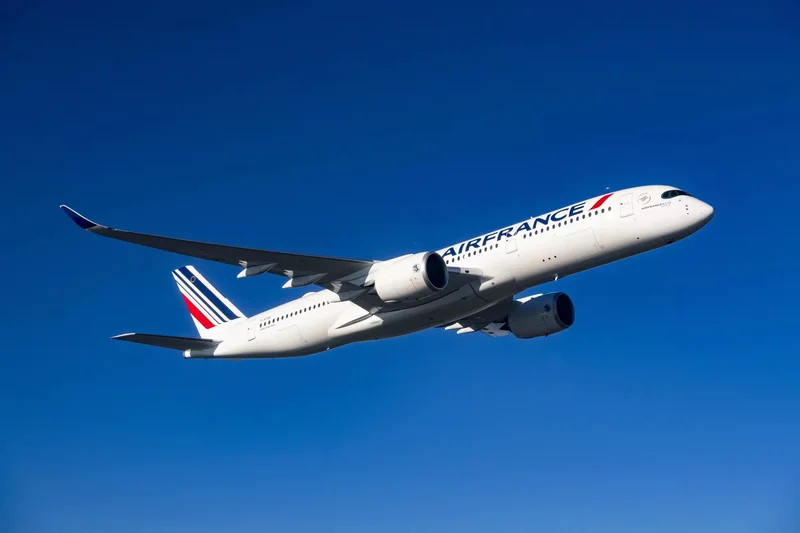
This structure isn't a simple investment. It's more like a syndicate of bidders being brought inside the gates before the main auction. Onex has essentially sold fractional ownership in a prized asset. The new minority shareholders get a seat at the table, access to the books, and a chance to see how the engine truly runs. They get to influence strategy through board representation and align operational goals (like frequent flyer programs and codeshares with `Air France Flying Blue` or Delta SkyMiles). In return, Onex gets their cash, validates its investment thesis to the market, and locks in the three most logical future buyers of the entire company.
What strategic advantage does this precise 2.3% transfer from `Delta` to `Air France-KLM` confer? Does it satisfy a specific European Union regulatory requirement, or is it about balancing power within the consortium to prevent one partner from having too much leverage? The public filings offer no clarity here.
The Global Chessboard and the Onex Playbook
This move is classic Delta. The airline has a well-documented history of using equity investments to cement its global alliances, creating a network far stickier than simple codeshare agreements. We’ve seen this playbook with Air France-KLM itself, LATAM in South America, Aeromexico, Virgin Atlantic, and Korean Air’s parent company. For Delta, owning a piece of your partners ensures their strategic alignment stays locked in. It’s a hedge against the shifting winds of airline politics. Now, they have a crucial foothold in the Canadian market, directly challenging the dominance of Air Canada and its Star Alliance partners.
For `Air France-KLM`, this is about strengthening transatlantic routes and feeding traffic from North America into its European hubs. Having a stake in WestJet provides a more robust connection point than a standard interline agreement ever could. Travelers looking for `Air France flights` from Western Canada will now be funneled more seamlessly through the WestJet network. The value isn't just in the equity; it's in the control over passenger flow.
But let's not lose sight of the primary actor here. This entire transaction is being orchestrated for the ultimate benefit of The Onex Group. A private equity firm’s primary objective is not to run an airline for the next thirty years; it’s to generate a significant return on investment for its limited partners, typically within a 5-to-7-year window. By bringing in these strategic investors now, Onex has effectively started the clock on its own exit.
The $550 million (the estimated cash value of the 25% stake) is the down payment. The real prize is the sale of the remaining 75%. In three to five years, when Onex is ready to fully exit its position, who are the most likely buyers? The three entities who already have capital invested, board seats, and integrated operational ties. They’ve already done their due diligence from the inside. Onex has not only found its potential buyers; it has made them pay for the privilege of being first in line. The question now is, will they bid against each other, or will they act as a consortium to acquire the rest? And does Onex’s strategy account for—and perhaps even encourage—a competitive dynamic between them?
This Isn't a Partnership; It's a Down Payment
Let's be perfectly clear. The public relations narrative of a landmark partnership is a convenient and palatable story for customers and employees. The underlying reality is a calculated, multi-stage private equity exit strategy. Onex has brilliantly used the strategic interests of `Delta Airlines`, Korean Air, and `Air France-KLM` to its own financial advantage. They’ve secured a massive capital infusion, validated the airline’s valuation, and pre-qualified the most logical buyers for a future, full acquisition. The airline consortium hasn’t just bought a stake in WestJet; they’ve bought an entry ticket to a future auction, and Onex is the auctioneer. This wasn't the end of a deal; it was the beginning of the endgame.