Wendy's is planning to shutter hundreds of locations, and while the company line focuses on "underperforming stores," a deeper dive suggests a more systemic issue. Are these closures merely a strategic pruning, or an indicator of wider economic malaise hitting consumers' wallets? Let's crunch the numbers.
The Numbers Behind the Closures
Interim CEO Ken Cook announced a "mid single-digit percentage" of closures, which translates to roughly 200 to 350 stores out of nearly 6,000 U.S. locations. (The exact figure remains elusive, typical of corporate earnings calls.) This follows a previous wave of 140 closures last year. Cook frames this as a positive, suggesting it will "boost sales and profitability at nearby locations." But is that wishful thinking?
Wendy's reported a 4.7% drop in U.S. same-store sales. Rivals like McDonald's and Burger King, however, posted positive earnings, attributed to "renewed effort to offering more affordable deals." The discrepancy is telling. While Wendy's cites commodity inflation and labor rate inflation, the reality is that customers are voting with their feet—and their wallets—for cheaper options.
The company is touting "Project Fresh," a brand overhaul aimed at revitalization. They're also pushing the Biggie Bag value meal. But is a $5 Biggie Bag enough to offset the economic pressures facing lower-income consumers, who Cook admits are feeling the strain? I've looked at hundreds of these turnaround plans, and the success rate for these "revitalization" strategies is... not encouraging.
A Broader Economic Indicator?
The article from The Independent notes that Wendy's shares dropped 2.6% on the news, and are down 46% overall this year. This isn't just about bad burgers; it's about investor confidence. The article also points to a broader trend: "customers struggling financially cut back on dining out." Is Wendy's simply the canary in the coal mine? You can read more about the closures in Wendy’s plans to close hundreds of restaurants.
We're seeing similar stories across the fast-food landscape. Jack-in-the-Box and Starbucks have closed hundreds of stores, and KFC, Del Taco, and Pizza Hut are reporting sales declines. The narrative of "underperforming stores" conveniently sidesteps the elephant in the room: people have less disposable income.
The Consumer Price Index rose 0.3% in September, with annual inflation at 3%. While lower than expected, it's still above the Federal Reserve's target. And as the Independent article points out, cost of living is a major concern for voters.
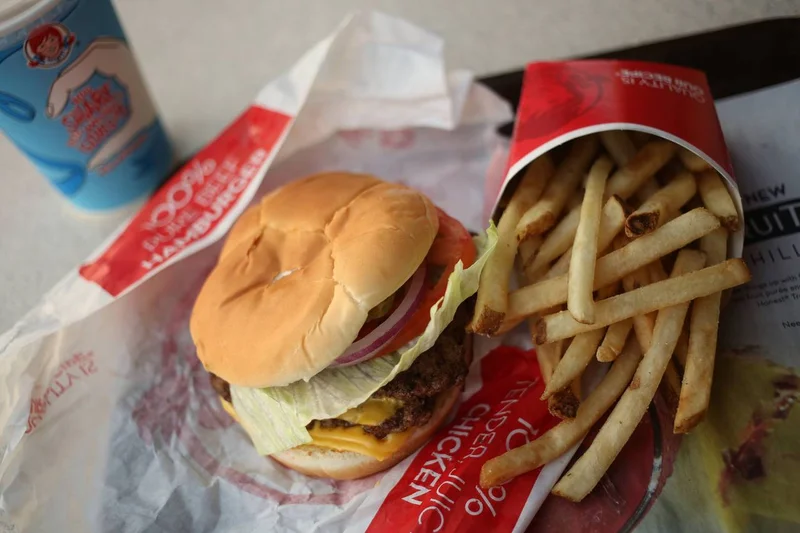
It's tempting to dismiss these closures as isolated incidents, but the data suggests a correlation between economic pressure and consumer behavior. Fast food, often seen as a budget-friendly option, is now feeling the pinch. What does that say about the health of the broader economy?
Is This Really Just Darwinism?
Cook suggests closures of underperforming units are expected to boost sales and profitability at nearby locations. But isn't this simply a zero-sum game? If one Wendy's closes and its customers migrate to another, are we creating net new demand, or just rearranging deck chairs on the Titanic?
Perhaps it's a bit of both. Some locations are genuinely poorly managed or in unfavorable locations. But even well-run franchises can't overcome a fundamental lack of demand. And this is the part of the report that I find genuinely puzzling. If the economy were truly booming, wouldn't we expect to see even the marginal locations holding their own?
The "Project Fresh" initiative and the Biggie Bag offer are attempts to address the problem, but they feel like Band-Aids on a gaping wound. A new logo and a $5 meal won't solve the problem if people simply don't have the money to spend.
A Grim Outlook for Fast Food?
The question isn't just about Wendy's. It's about the entire fast-food industry, and perhaps the broader economy. If even these relatively affordable options are struggling, what does that say about the financial health of the average American?
The data paints a concerning picture. While some chains are managing to stay afloat by offering deep discounts, the overall trend suggests a contraction. And if the economy continues to struggle, we can expect to see more closures in the coming months.
The Numbers Don't Lie
Wendy's closures aren't just about "underperforming stores." They're a symptom of a larger economic problem: consumers are cutting back on spending, and even fast food is feeling the pain. The company can try to spin it as a strategic move, but the numbers tell a different story.