Okay, Chongqing's at it again. Another city trying to reinvent itself as the "next big thing." This time, it's innovative drugs. Seriously?
The "Innovation" Charade
So, Chongqing – a city I mostly associate with manufacturing and, uh, spicy food – suddenly wants to be a biotech hub? They're promising "one to three innovative drugs approved each year by 2027." Right. And I'm gonna win the lottery tomorrow.
Let's be real. How many "innovative" drugs actually innovate anything? Most are just minor tweaks of existing formulas, designed to extend patent life and keep the cash flowing. Big Pharma's playbook, and Chongqing's apparently reading from it.
They're talking about "breakthroughs in core technologies." What core technologies? The article doesn't say. Are they reinventing CRISPR in a Chongqing lab? Highly doubt it. This whole "25-point plan" sounds like corporate buzzword bingo.
And three "innovative drug industry clusters?" Sounds like three opportunities for corruption and wasted funds, if you ask me. Who's getting rich off this scheme? That's the real question.
Oh, and they had their first "Class 1 innovative drug" approved last year – an injectable psoriasis treatment. Congrats, I guess? Meanwhile, people are still dying from cancer and Alzheimer's. But hey, at least someone's psoriasis is clearing up.
The Usual Suspects
Of course, Chongqing isn't alone in this "let's be a tech hub!" game. Hefei wants to be the EV capital, Shenzhen's chasing AI, and Hangzhou's doing... something with robots. It's like a competition to see who can blow the most taxpayer money on the latest shiny object.
It's the same story everywhere. Cities see the success of Silicon Valley (which, let's face it, is mostly a real estate scam these days) and think they can just replicate it with enough government funding and empty promises. Newsflash: it doesn't work that way. Innovation isn't something you can force. It's organic. It's messy. It's usually fueled by desperation and a bunch of people working out of a garage, not a 25-point plan.
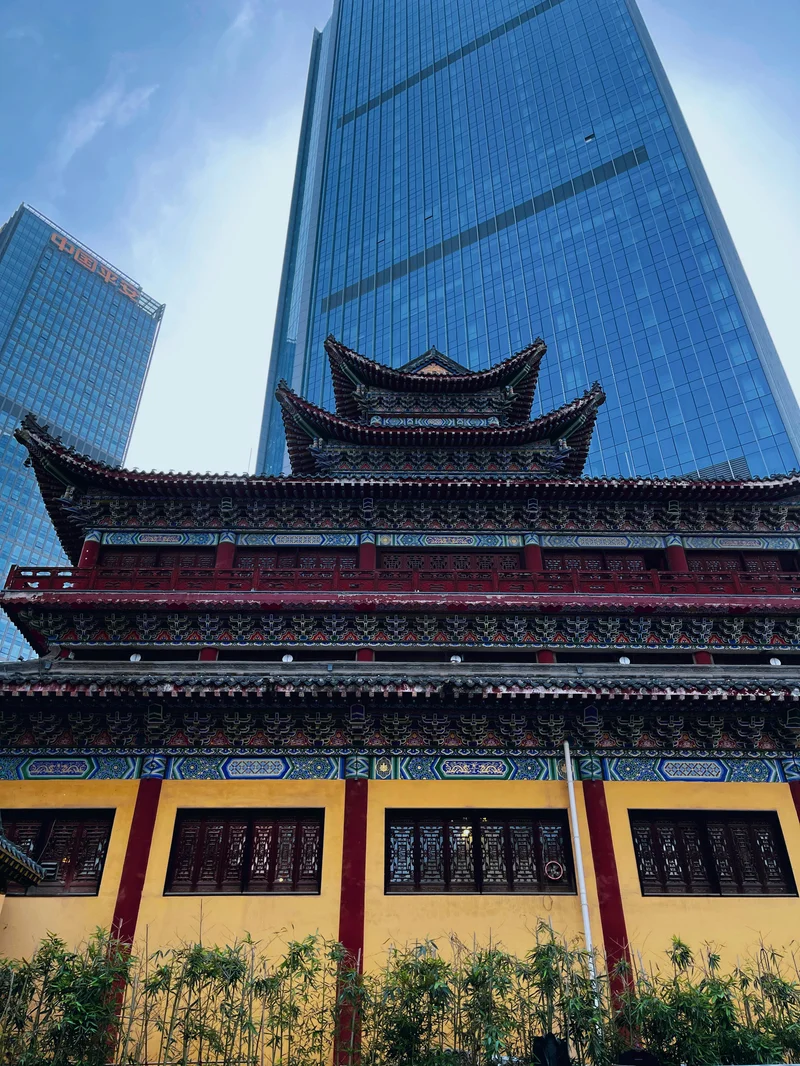
And then there's the China-Singapore connection. Apparently, they've signed $26 billion in cooperation projects over the past decade. That's a lot of money changing hands. Is it actually creating anything of value? Or is it just lining the pockets of well-connected bureaucrats and their cronies?
They even had a conference. Another conference. The "2025 Chongqing International Travel Agent Conference." Fiji was the guest of honor. I'm sure that was a thrilling event. Five "international friends" were appointed as "2026 Chongqing Culture and Tourism Promotion Ambassadors." I wonder how much that cost. More information on the conference can be found in “Nihao! Chongqing” 2025 Chongqing International Travel Agent Conference Kicks Off.
The Financial "Revolution"
Chongqing's also trying to become a financial hub, thanks to its partnership with Singapore. They're touting "major reform initiatives" and "financial opening-up pilots." Sounds impressive, right?
But let's break it down. They simplified the process for issuing foreign bonds. A Chongqing company issued $500 million in bonds in Singapore. And an e-commerce company can now transfer funds directly from Amazon.
Okay, that's... mildly convenient, I guess. But is it a "financial revolution?" Give me a break. It's basic business practices catching up to the 21st century. They're acting like they invented the internet.
They're also pushing "green finance" and "digital connectivity." Again, buzzwords. Everyone's doing that. What's so special about Chongqing?
Then again, maybe I'm the crazy one here. Maybe Chongqing really is on the verge of becoming a biotech and financial powerhouse. Maybe I'm just too cynical to see it.
But honestly, I doubt it.